Nearly half of men classified as obese; vaping rises as cigarette smoking declines
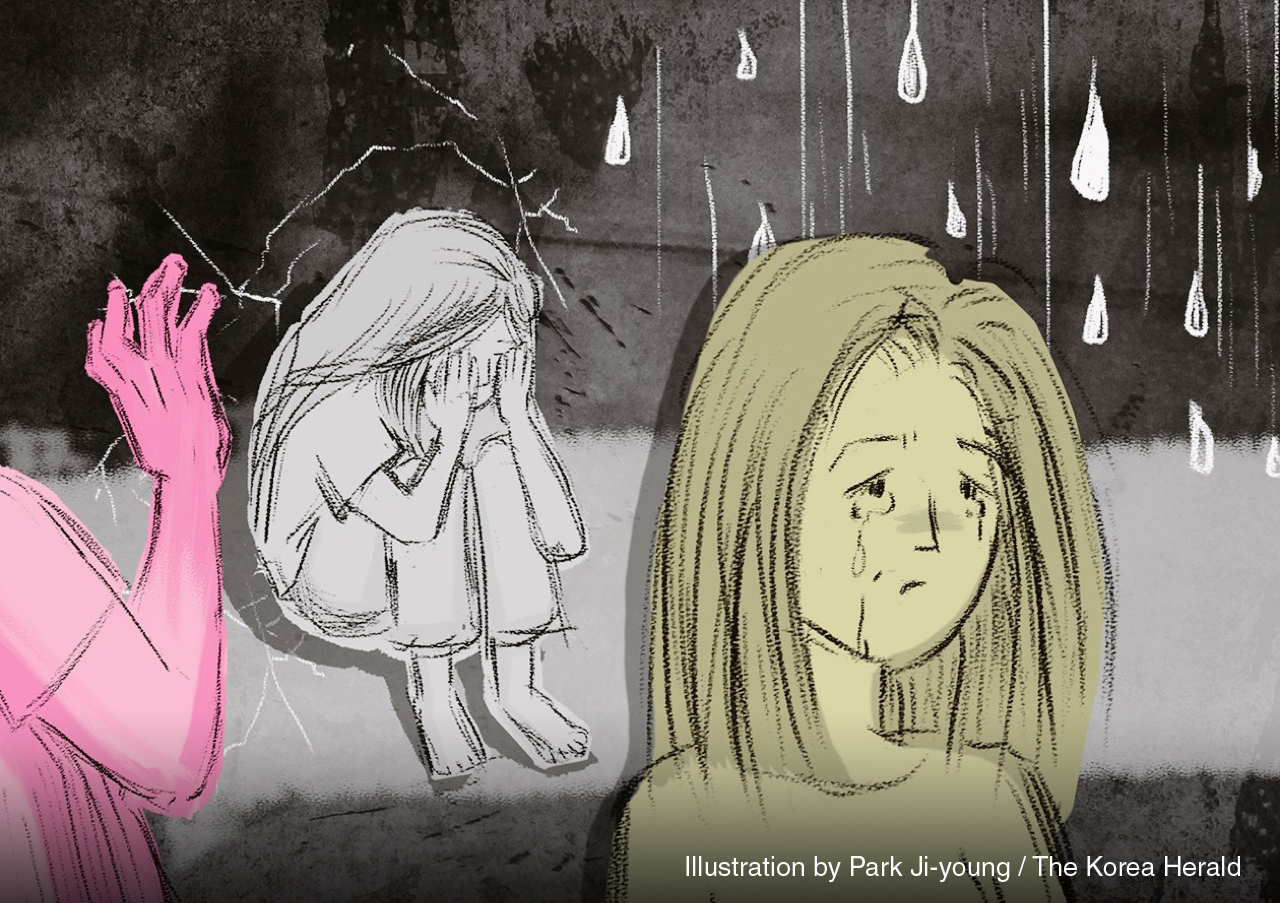
Nearly 1 in 10 South Korean women in their 30s reported feeling lonely frequently or all the time, the highest share among age and sex groups surveyed, government data showed Wednesday.
The findings come from the 2025 Korea National Health and Nutrition Examination Survey, which introduced questions on loneliness, social support and life satisfaction.
Among adults aged 19 and older, 7.5 percent of women reported frequent or constant loneliness, compared to 5.3 percent of men, according to the Korea Disease Control and Prevention Agency. The nationwide survey included 4,800 households.
The figure reached 9.7 percent among women in their 30s, followed by 8.9 percent among women aged 70 and older and 8.6 percent among those aged 19 to 29.
Among men, the share was lowest in the age group of 19 to 29 and rose with age to a peak of 6.6 percent among those in their 50s. It fell to 4.9 percent among men in their 60s, before rising to 6 percent among those aged 70 and older.
The new questions broadened the annual survey’s assessment of health to include quality of life and whether respondents had someone to turn to during difficult times.
Some 94.6 percent of men and 94.4 percent of women said they had such support. The share generally declined with age, from 98.6 percent among adults aged 19 to 29 to 87.8 percent among those aged 70 and older.
Men rated their life satisfaction at an average of 7 out of 10, while women gave an average score of 6.9. Men aged 19 to 29 recorded the highest male score at 7.1. Among women, those in their 40s and 50s shared the highest score, also at 7.1.
Nearly half of men obese
The survey also found declines in physical activity and consumption of vegetables and carbohydrates, alongside an increase in fat consumption.
Some 49.1 percent of men were classified as obese under the Korean definition of a body mass index of 25 or higher.
The rate was highest among men in their 30s, at 59 percent, followed by those in their 50s at 54 percent and those in their 40s at 53.3 percent.
Among women, the obesity rate rose 2.5 percentage points from 2024 to 28.7 percent. Women in their 30s and 40s recorded the largest increases, of 3.7 and 5.9 percentage points, respectively. The rate was highest among women aged 70 and older, at 38.6 percent.
Cigarette smoking declined over the past decade, with the rate falling from 23.9 percent in 2016 to 17 percent in 2025. Over the same period, use of liquid-based e-cigarettes rose from 2.3 percent to 4.8 percent.
Overall tobacco use rose from the previous year, reaching 36.3 percent among men and 8.6 percent among women.
Drinking indicators improved, with declines in both high-risk drinking and monthly binge drinking.
Korea Disease Control and Prevention Agency chief Lim Seung-kwan said the findings revealed different health challenges across age groups. Adults in their 20s and 30s showed improvements in drinking habits but increases in tobacco use and fat consumption, while those in their 40s and 50s recorded increases in obesity and chronic diseases.
The agency plans to discuss health policy responses with government officials and experts at a forum on Nov. 30.
minsikyoon@heraldcorp.com